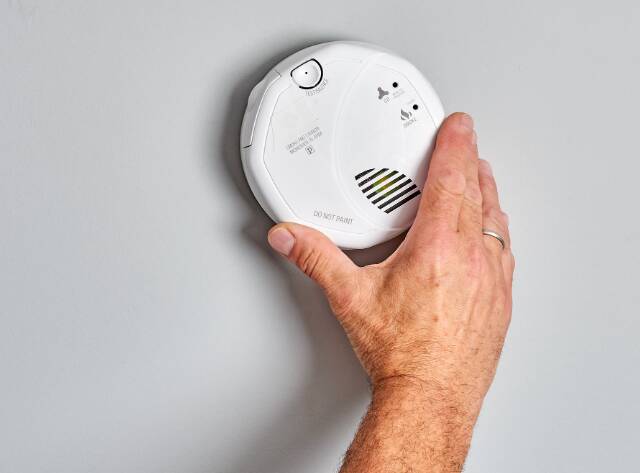

Smoke and carbon monoxide detectors are important safety tools for your home. In Sonoma County, homeowners also need to be familiar with California’s health and safety laws that regulate where smoke and CO detectors are required.
707 Plumbers, Inc. & Electric can ensure that your home is both safe and compliant.
While having a smoke and carbon monoxide detector in your home is always a good idea, it’s a legal requirement in California.
California Health and Safety Code 13113.7 requires all dwellings intended for human habitation to have appropriate smoke detectors. Section 17926 sets a similar requirement for carbon monoxide detector installation in homes with certain heating systems.
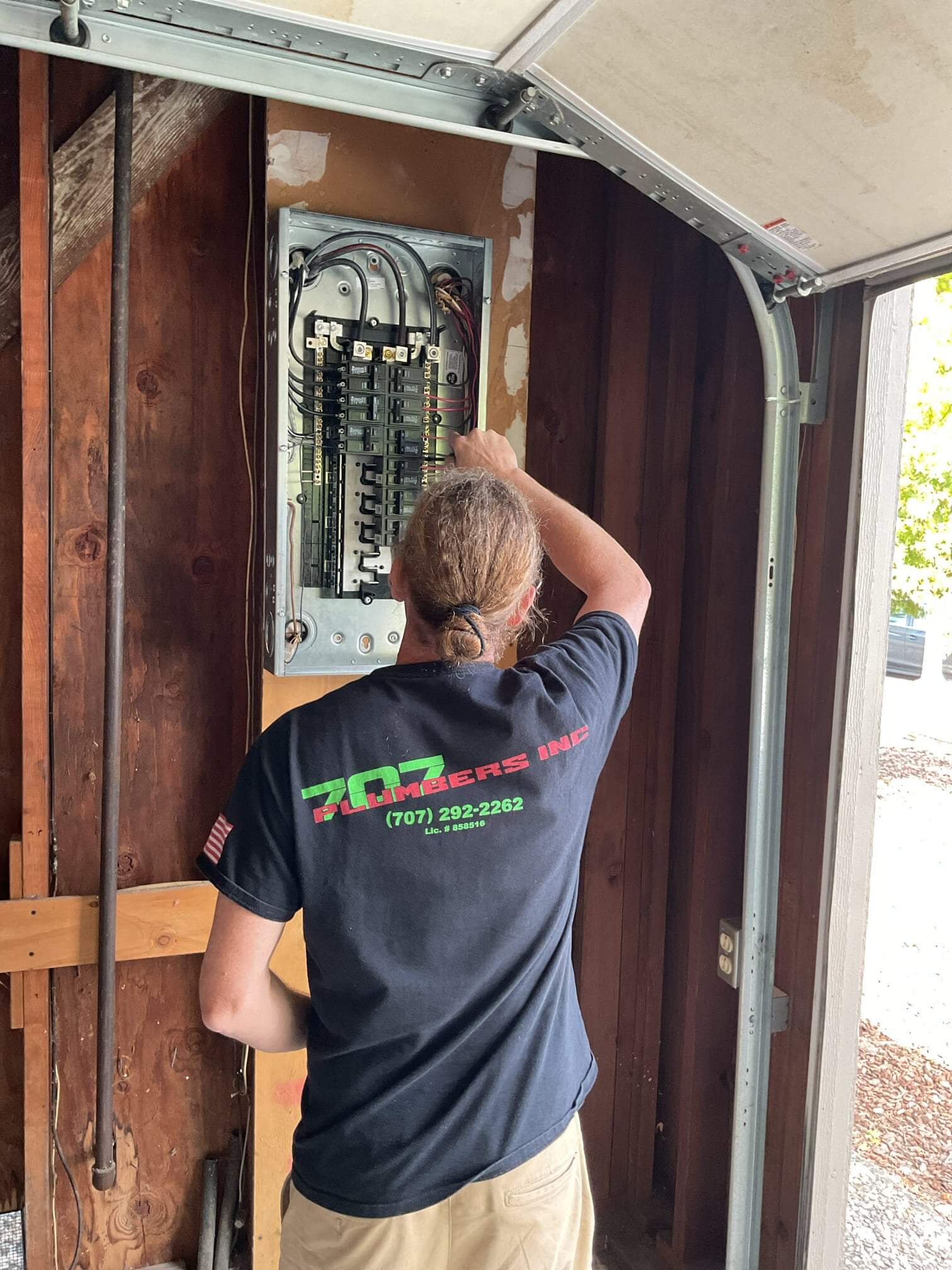
One alarm is not enough to cover your entire home. We recommend smoke and carbon monoxide detectors inside each bedroom, in the hallway outside the bedrooms, and on each level of the home, including the attic and the basement if there is one. If your home has an attached garage, install a CO2 detector at the entrance as well.

Hardwired smoke detectors, which are connected to your home’s electrical wiring and have a battery backup in case of a power outage, are required in California in most situations. When your home has multiple smoke alarms, they also need to be interconnected. This means that when one alarm goes off, all of the alarms go off. Battery-only alarms are simpler to install, especially in homes that don’t have preexisting electrical wiring, but California smoke detector requirements don’t typically allow them.
Some factors increase the risk of a carbon monoxide leak. CO detector placement is required in California homes that have attached garages or fossil-fuel-based appliances. These include water heaters, gas stoves and furnaces, and any other oil or gas-powered appliances. Vehicle exhaust can collect in an attached garage, which is why CO detection is essential for your safety if you have one.
California requires new battery-operated smoke alarms to have a 10-year sealed battery. This means you can’t remove the battery from the smoke detector if it goes off, and the battery should last 10 years. These batteries are designed to chirp when they’re about to expire. When this happens, you’ll need to replace the entire detector, not just the batteries. It’s a good idea to test your smoke and CO detectors monthly to ensure that they’re working properly.
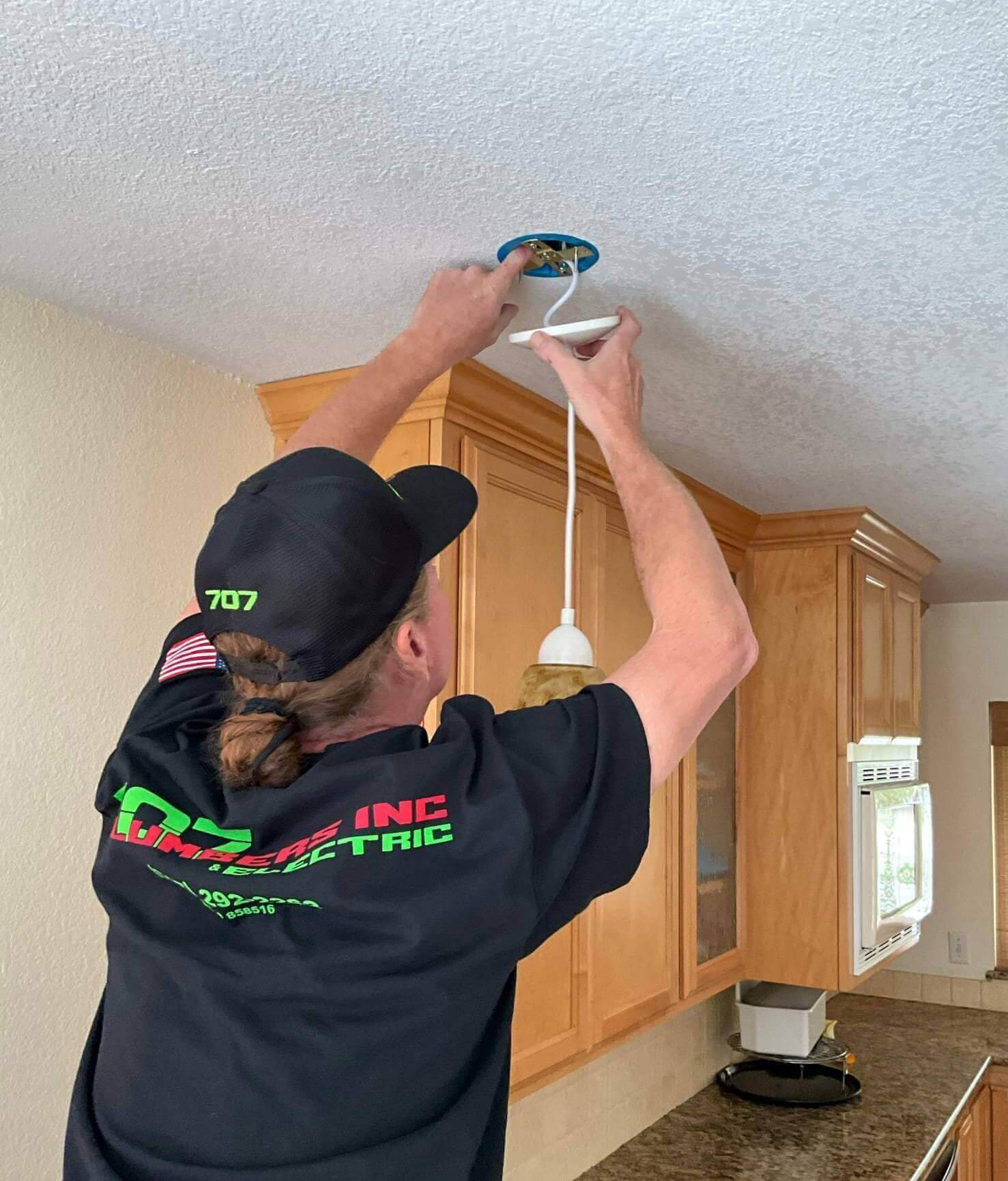
Our smoke detector installation process starts with a review of your home’s layout. We’ll identify where smoke and CO detectors are required and recommend any additional locations where they should be installed.
After installation, or if you request a smoke alarm inspection, we’ll check to make sure your smoke detectors are wired correctly and haven’t passed their 10-year expiration date. Then, we’ll use the test button to confirm that the alarms work.
When selling a home, California law requires the seller to provide a written statement confirming that the property has all the required smoke and carbon monoxide detectors.
If you are preparing to sell your Sonoma County home, 707 Plumbers, Inc. & Electric can inspect your smoke detectors and install or replace any that aren’t up to code. Contact us to schedule an appointment today.
Image credit: // Shutterstock // Nick Beer